
When autumn temperatures plummet and freezing precipitation looms, safeguarding a residence requires far more than simply turning up the thermostat. Protecting a residential investment against severe winter elements demands a disciplined, whole-property audit. By identifying air leaks, addressing thermal bridging, fortifying perimeter openings, and preparing surrounding grounds for heavy snow loads, property owners can systematically lock in conditioned air and ward off cold-weather deterioration. A proactive winterization plan eliminates drafts, stabilizes indoor temperatures, and shields the home from structural wear throughout the colder months.
Fortifying the Roof and Clean Energy Infrastructure
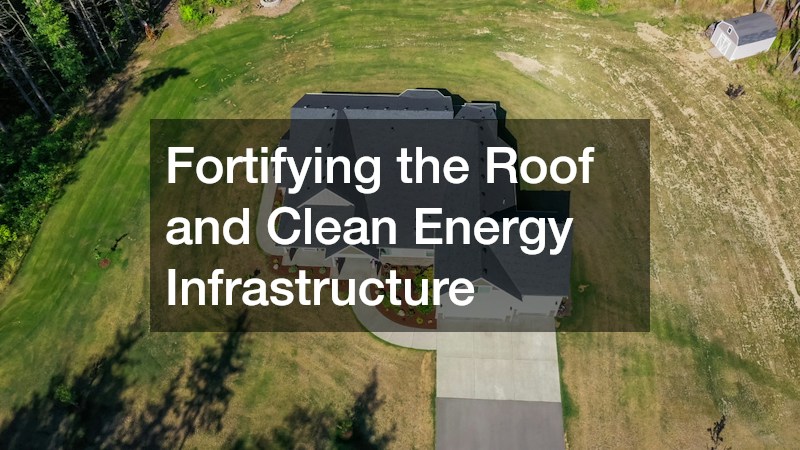
The roof serves as the primary shield against winter weather, enduring snow accumulation, freezing rain, and high winds. When precipitation arrives, minor roofing weaknesses can quickly escalate into structural emergencies. Reinforcing your upper envelope before the first hard freeze preserves interior warmth and prevents meltwater from backing up into living quarters.
Inspecting Flashing and Shingle Integrity Against Ice Dams
Ice dams form when heat escapes into an under-insulated attic, warming the roof deck and melting snow from underneath. As runoff reaches cold eaves, it refreezes into an ice ridge. Meltwater then pools behind this barrier, backing up beneath shingles and leaking into ceiling drywall and insulation.
To mitigate this destructive cycle, complete a pre-winter roof assessment:
- Clear gutters and downspouts of decomposing leaves to ensure unobstructed drainage paths for melting snow.
- Inspect metal flashing along chimney stacks, skylights, vents, and dormers for cracked sealant or lifted seams.
- Check the roof covering for curling, blistered, or missing shingles that fail to shed water effectively.
- Verify attic insulation depth and ensure soffit and ridge vents remain clear to maintain uniform deck temperatures.
While basic ground-level checks can be conducted with binoculars, identifying concealed deck rot requires professional inspection. Engaging a certified roofing contractor to conduct an autumn evaluation ensures flashing is resealed, damaged shingles are replaced, and attic ventilation complies with building standards before freezing weather arrives.
Optimizing Clean Energy Mounts and Clearing Array Runoff Pathways
Rooftop renewable energy systems require dedicated attention before winter storms hit. Solar arrays support substantial snow loads, but their integration with the roof introduces specific maintenance considerations:
- Examine racking brackets and flashing seals for tightness against winter wind uplifts.
- Verify that conduits, microinverters, and junction boxes are securely sealed against moisture ingress.
- Clear drainage channels beneath and around home solar panels of trapped leaves to prevent ice dams from forming behind mounting brackets.
- Inspect snow retention guards to ensure shedding snow sheets do not damage gutters or landscaping below.
Keeping runoff pathways clear around renewable equipment prevents pooled meltwater from freezing beneath mounts, preserving roof watertightness and safeguarding clean power generation through the winter.
Sealing Building Openings and Below-Grade Access

Windows and exterior access portals account for a major share of residential convective heat loss. Exterior winds create positive pressure against the windward side of a home, while negative pressure draws warm air out through gaps on the leeward side. Securing these envelope penetrations eliminates drafts and shields the foundation from moisture intrusion.
Eliminating Glazing Drafts and Upgrading Perimeter Air Seals
A single drafty window casing can leak as much conditioned air as an open exterior door over the course of winter. Pinpointing micro-fissures around sash frames and trim work is the critical first step toward stopping thermal losses:
- Conduct a draft audit using an infrared thermal leak detector or by passing a lit incense stick along jambs and sills to spot air currents.
- Remove brittle caulk along exterior casing joints and reapply an elastomeric silicone sealant that accommodates cold-weather contraction.
- Replace worn weatherstripping along sash channels with high-performance V-strip bronze or silicone bulb seals.
- Apply clear, low-emissivity shrink film across draft-prone single-pane sashes to establish an insulating dead-air buffer.
When sashes suffer from warped frames or failing seals evidenced by pane fogging, temporary weatherization supplies offer diminishing returns. Investing in professional window services provides permanent energy savings through sash rebalancing, glass replacements, or full retrofits featuring argon-filled Low-E glazing packages that seal tightly against bitter winter gusts.
Waterproofing Sub-Grade Entryways and Steel Hatchways
Exterior basement stairwells and ground-level bulkheads represent vulnerable transition points that are frequently overlooked. Sub-zero temperatures pool at below-grade door sills, migrating into basements if seals fail:
- Inspect masonry areaway sidewalls for settling cracks or efflorescence, patching mortar voids with hydraulic cement.
- Clear leaves and sediment from the drain well to prevent pooled water from freezing against the interior access door.
- Apply heavy-duty EPDM rubber gaskets along the perimeter lip of exterior steel hatch doors to block wind-driven sleet.
- Ensure positive surface grading around the top curb of the entryway to direct runoff away from the stairwell.
Aging steel hatchways with rust perforation, binding hinges, or warped lids cannot maintain a reliable seal against freezing weather. In these cases, scheduled cellar door replacements provide immediate foundational security. Modern prefabricated systems engineered from heavy-gauge galvanized steel feature internal drainage gutters, weathertight gas spring assists, and durable latches, locking out frigid drafts and protecting subterranean utilities.
Weatherproofing Exterior Access Portals and Auxiliary Power
Attached garages and exterior utility connections represent vital zones where outdoor conditions interact directly with residential systems. An under-insulated garage acts as a refrigeration box against the house, cooling shared partition walls and upper-level floors. Meanwhile, reliance on supplemental heating during severe cold snaps places tremendous stress on electrical distribution systems.
Upgrading Overhead Panel Weatherstripping and Mechanical Balance
An overhead garage door is usually the largest moving mechanical assembly in any home. When this barrier fails to seal tightly against jambs and floor slabs, freezing drafts pour into the garage space:
- Inspect the bottom rubber U-shaped astragal seal along the lower door edge for flattening or tearing, replacing it with an EPDM strip that remains pliable in sub-zero temperatures.
- Mount vinyl reverse-angle perimeter weather seals along exterior side jambs and header to eliminate visible daylight margins.
- Lubricate steel rollers, track curves, hinges, and lift cables using a non-silicone synthetic lubricant formulated for freezing conditions.
- Insulate bare metal door panel sections using rigid foil-faced foam boards or fiberglass garage insulation kits.
A door assembly that is physically out of balance places severe strain on the motorized opener, often causing the bottom seal to sit crooked against the slab. Scheduling a seasonal garage door service with a qualified technician ensures torsion springs are properly tensioned, lift cables are adjusted evenly, and safety sensors are recalibrated. A balanced, tightly sealed door stabilizes garage temperatures and protects adjacent rooms from cold air transfer.
Auditing Panel Capacities for High-Demand Auxiliary Heating
Winter weather shifts domestic energy consumption patterns substantially. Portable space heaters, engine block heaters, pipe freeze protection cables, and holiday lighting can quickly overload branch circuits:
- Map out household circuits to ensure multiple electric space heaters are not running on the same general lighting circuit.
- Test outdoor ground fault circuit interrupter (GFCI) receptacles, verifying that weatherproof covers snap shut firmly against snow.
- Inspect the service drop connection and meter base on the home exterior to confirm nearby tree limbs cannot damage power lines during ice storms.
- Check pipe heat trace cables on exposed plumbing lines to confirm thermostats activate when ambient temperatures drop near freezing.
If circuit breakers trip frequently or interior lights dim when heating units engage, electrical capacity is reaching dangerous limits. Retaining a licensed electrical contractor allows homeowners to execute crucial panel upgrades, add dedicated 20-amp circuits for space heaters, and install generator transfer switches, ensuring heating equipment operates reliably during winter outages without fire hazards.
Protecting Hardscape Surfaces and Surrounding Grounds
Exterior outdoor living spaces and landscaped acreage bear the direct brunt of seasonal precipitation, sub-surface ice formation, and fluctuating frost lines. Freeze-thaw cycles pose a severe threat to outdoor structures: water seeps into microscopic fissures, expands by roughly nine percent as it freezes, and exerts internal hydraulic pressure that disintegrates solid materials over time.
Sealing Porous Slabs Against Freeze-Thaw Surface Spalling
Outdoor paved surfaces are uniquely vulnerable to surface spalling, pitting, and cracking when moisture penetrates unsealed capillaries before a hard frost. Deicing chemicals, including rock salt, accelerate this decay by multiplying freeze-thaw cycles within the slab:
- Clean exterior masonry surfaces thoroughly to remove embedded soil, mildew, and grease that prevent sealers from bonding properly.
- Fill expanding stress fissures and joint separation cracks with a polyurethane masonry caulk to block meltwater intrusion.
- Elevate outdoor planters, benches, and patio furniture using rubber risers to eliminate standing moisture pockets beneath flat surfaces.
- Apply a deep-penetrating silane/siloxane water-repellent sealer across your outdoor concrete patio prior to freezing weather. Unlike topical coatings that can peel, penetrating sealers react chemically with masonry minerals to create a hydrophobic barrier that keeps liquid moisture out while allowing internal water vapor to escape.
Taking these surface-protection steps prevents surface flaking, preserves decorative finishes, and ensures outdoor gathering spaces survive winter without permanent cosmetic or structural ruin.
Preparing Turf Root Systems and Grading Drainage Zones
A home’s surrounding lawn and perimeter grading play an integral role in keeping winter moisture away from the foundational envelope. Saturated, poorly draining soils adjacent to foundation walls can freeze and heave, displacing masonry blocks and pushing dampness into basements:
- Complete a final autumn mowing with the deck lowered one notch below standard height to prevent long grass blades from matting and harboring snow mold.
- Remove thick accumulations of wet leaves from perimeter turf and planting beds so crowns receive adequate air circulation.
- Clean and extend exterior downspout discharge pipes, ensuring gutter runoff terminates at least six to ten feet away from foundation footings.
- Core-aerate compacted lawn areas to relieve soil density, which encourages deep root respiration and water absorption during thaws.
Coordinating late-season lawn care services provides your property with targeted winterizer fertilizer treatments rich in potassium, which fortify root cellular structures against freezing stress. Professional turf specialists ensure seasonal cleanups and boundary drainage adjustments are completed properly, setting up a resilient spring green-up while defending your foundation against water pooling.
Reinforcing Interior Thermal Envelopes and Mudroom Zones

Interior comfort during the coldest months is dictated by the thermal continuity of the living space envelope. Even when high-efficiency furnaces operate at peak performance, cold subfloors, uninsulated entryways, and thermal bridging around perimeter thresholds make rooms feel chilly. Addressing interior transitions keeps indoor heat contained where occupants gather most.
Mitigating Subfloor Thermal Bridging and Floor Drafts
Uninsulated subfloors sitting above unconditioned spaces—such as ventilated crawlspaces, unheated basements, or cantilevered overhangs—act as giant heat sinks. Cold air pulls heat downward out of finished floor coverings, leaving hardwood, tile, and laminate surfaces cold underfoot while increasing heating fuel consumption:
- Inspect basement or crawlspace ceilings beneath finished rooms, checking that insulation batts are held securely against the subfloor with wire supports.
- Air-seal rim joist and band joist perimeter cavities using closed-cell expanding polyurethane spray foam to eliminate conductive perimeter drafts.
- Seal utility penetrations through the subfloor, including plumbing chase ways, wire runs, and duct boots, using expanding foam or mastic tape.
- Place dense wool area rugs backed with thick felt insulating pads over cold high-traffic pathways to add immediate thermal resistance.
When chronic floor drafts persist despite basement air sealing, the existing floor covering may lack adequate thermal underlayments. Partnering with a reputable flooring company provides access to advanced solutions, such as installing high-density cork underlayments, vapor-barrier membranes, or stone polymer composite luxury vinyl planks that remain stable despite winter humidity shifts. Flooring specialists can also install retrofit radiant floor heating systems beneath newly laid tile or engineered wood, generating gentle warmth right where feet touch the ground.
Reconfiguring Transitional Entries for Moisture and Heat Retention
Main residential entryways, side mudrooms, and garage corridors endure an immense amount of physical abuse during winter. Every time an exterior door opens, warm air rushes out, while cold gusts, melting slush, road salts, and abrasive grit are tracked across foyer floors:
- Hang heavy, thermal-lined draft curtains inside secondary exterior doors or install brush bottom sweeps along threshold seals to block drafts.
- Set out heavy-duty rubber boot trays lined with natural river stones to elevate drying winter footwear above pooled snowmelt.
- Apply water-repellent protective paste waxes to natural wood threshold sills and trim casings to stop moisture damage from tracked-in ice.
- Utilize washable, rubber-backed entry mats that absorb melting snow and scrape coarse road salt crystals before footwear touches interior floors.
For households with active families and pets, standard open-concept entryways frequently fail to contain winter chaos and heat loss. Engaging experienced local remodelers allows homeowners to reconfigure entryway layouts by building dedicated airlock vestibules or enclosed mudrooms equipped with insulated pocket doors, custom cubbies with boot-warming vents, and durable non-porous tile flooring. Professional contractors transform drafty entry zones into functional barriers that capture wet winter gear and hold indoor conditioned air safely inside the home.
Executing these seasonal weatherization measures before freezing temperatures arrive transforms indoor comfort and protects overall home value for years to come. Whether undertaking straightforward DIY sealing tasks or coordinating comprehensive upgrades with licensed trade specialists, taking proactive steps today ensures that your property remains warm, secure, and resilient against whatever winter weather brings.